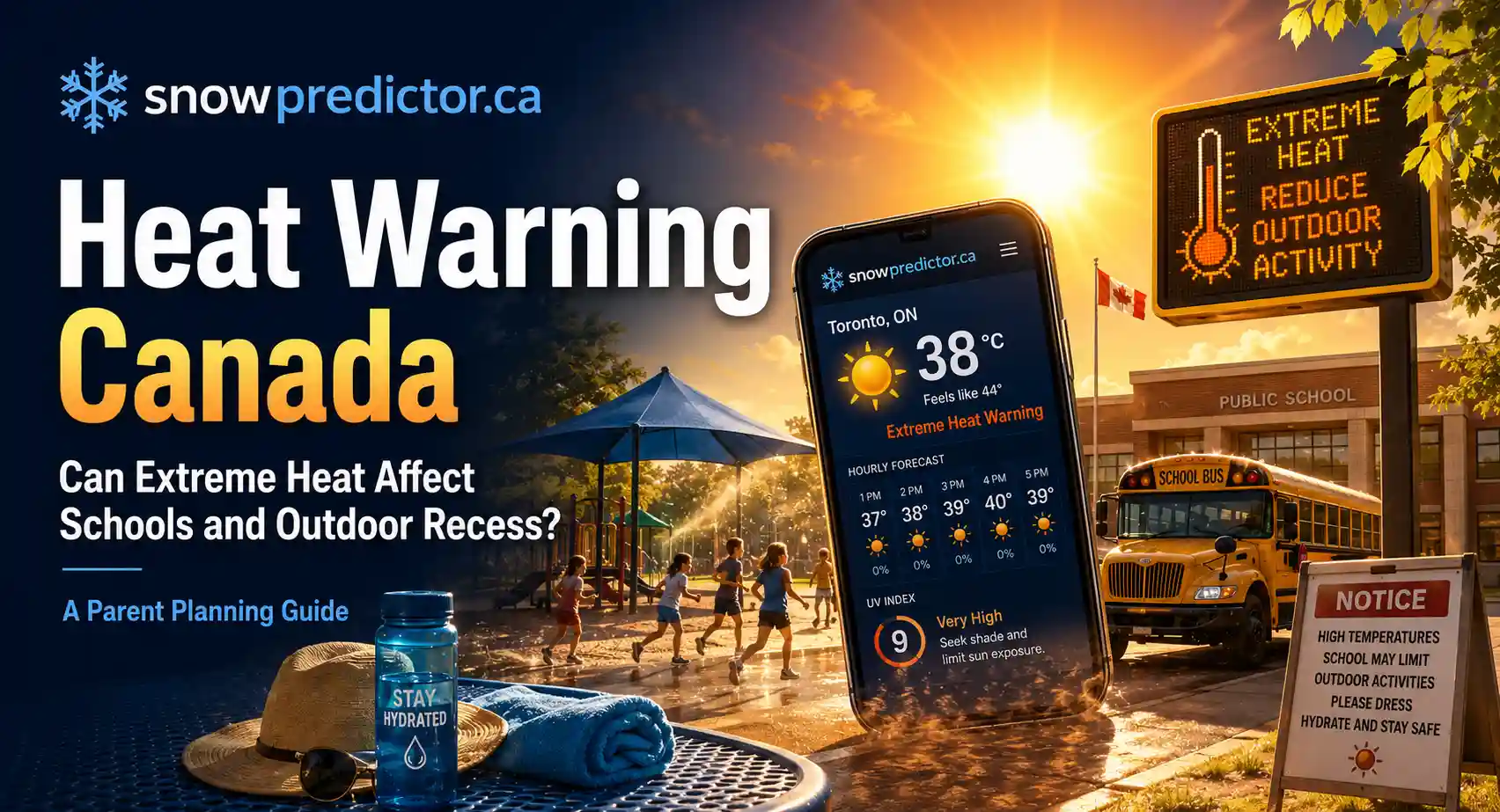
Heat Warning Canada: Can Extreme Heat Affect Schools and Outdoor Recess?
Canadian parents and school staff may see a heat warning before classes and wonder whether buildings will remain open, recess will continue or children should stay home. Dangerous heat can affect hydration, concentration, travel and indoor comfort. This guide explains how alerts work and what families should check before children leave home. The Canada Snow Day Predictor can support early planning, while official weather, public-health, transportation and school-board notices provide final instructions.
What the Alert Means for Families
This official Canadian alert is issued when forecast temperature and, in humid regions, Humidex are expected to reach levels that can affect health. Regional thresholds differ because climate, overnight cooling, infrastructure and population vulnerability vary across the country.
The alert does not automatically close schools, but families should protect young children, medically vulnerable students and anyone doing strenuous activity.
| Question | Practical Answer |
|---|---|
| Does the alert close schools automatically? | No. Boards decide operations according to local conditions. |
| Can outdoor recess change? | Yes. Schools may shorten it, move it indoors or cancel it. |
| Are buses automatically cancelled? | Usually not, but delays and special instructions are possible. |
| What should parents check? | The official alert, school messages, transportation updates and the child’s health needs. |
Why Canadian Thresholds Differ by Region
There is no single national trigger temperature. Authorities use regional heat-health thresholds based on daytime highs, overnight lows, humidity, duration and local health risk.
Ontario uses regional zones. Southern Ontario generally considers daytime highs of at least 31°C and overnight lows of at least 20°C, or a Humidex of at least 40, for two or more days. Extreme southwestern Ontario generally uses at least 31°C by day and 21°C overnight, or a Humidex of at least 42. Northern Ontario generally uses at least 29°C by day and 18°C overnight, or a Humidex of at least 36.
These figures explain a heat warning Ontario notice but are not universal Canadian thresholds. A heat warning temperature varies by region; some searches instead use excessive heat warnings.
Understanding Yellow, Orange and Red Heat Alerts
Canada assigns impact colours to formal warnings, advisories and watches. The alert type explains urgency, while the colour describes potential impact and forecast confidence.
Yellow
Yellow generally indicates moderate, localised or shorter-term health impacts. Outdoor activities, classrooms and transportation may still require adjustments.
Orange
Orange indicates a higher risk of major or widespread health impacts. Schools may need stronger controls, additional cooling measures or broader activity changes.
Red
Red is the highest colour and is reserved for rare, extreme and potentially life-threatening events with prolonged or widespread effects.
Parents searching heat warning colours should read the full alert because risk also depends on duration, overnight cooling, humidity, buildings and exposed populations.
Can Extreme Heat Close Schools?
An extreme heat warning can affect school operations, but it does not create an automatic nationwide closure. Boards may keep buildings open while changing how the day is organised.
Possible measures include:
- Moving recess indoors or shortening outdoor periods
- Limiting outdoor physical education
- Cancelling field trips, sports or after-school programmes
- Rotating classes through cooler rooms
- Increasing water and cooling breaks
- Monitoring vulnerable students more closely
- Adjusting transportation or dismissal during exceptional conditions
- Closing a building when safe indoor conditions cannot be maintained
Heat warning school closures depend on local building temperature, ventilation, access to cooler spaces, water supply, electricity, staffing and board procedures. Families should follow the official board message rather than assuming the weather notice decides the school day.
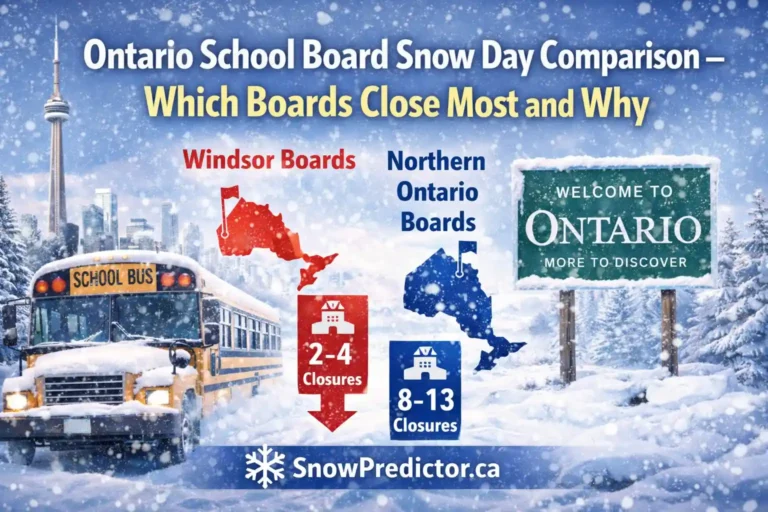
The guide to how Canadian schools make weather decisions explains why local operations matter alongside forecasts.
How Outdoor Recess May Change
A principal may shorten recess, move it indoors or cancel outdoor activity based on temperature, humidity, sun, wind, shade and playground conditions.
Heat warning outdoor recess decisions are rarely based on one national cutoff. Even when students go outside, staff may reduce running, use shaded areas, schedule water breaks and return indoors earlier if symptoms appear.
Blacktop, artificial turf and metal equipment can become much hotter than the reported air temperature.
Why Children Need Extra Protection
Young children may overheat quickly and depend on adults for water, shade and cooling. Students with health or mobility needs may require individual plans.
Risk may be greater for children who:
- Have asthma, heart, kidney or neurological conditions
- Take medicines that affect hydration or temperature control
- Participate in strenuous sports
- Wear heavy uniforms or protective equipment
- Spend long periods on hot buses or in rooms without air conditioning
- Have previously experienced fainting, migraines or heat illness
Parents should share relevant medical instructions, medication details and emergency contacts with the school before hot weather arrives.
Heat Exhaustion Symptoms in Children
Heat exhaustion symptoms can include heavy sweating, headache, dizziness, nausea, unusual tiredness, muscle cramps, extreme thirst, rapid breathing, a fast heartbeat, dark urine or reduced urination. Children may also become irritable, sleepy or uncoordinated.
Move the child to a cooler place, loosen clothing, offer water when safe and cool the skin. Do not resume strenuous activity without appropriate advice.
Worsening or persistent symptoms require prompt attention.
Heat Stroke Is a Medical Emergency
Heat stroke warning signs may include confusion, loss of coordination, fainting, seizures, severe weakness, very hot skin or a dangerously high body temperature.
Call emergency services and begin rapid cooling while help is coming. Move the person to a cooler location, remove excess clothing and cool the skin with water and airflow. Do not force fluids if the person is confused, unconscious or unable to swallow safely.
Heat stroke can progress quickly, so do not delay emergency help.
What Parents Should Check Before School
Read the Complete Official Alert
Check the affected area, start and end time, daytime temperature, overnight low, Humidex, colour, health risks and recommended actions. A heat warning today result may be outdated, so confirm the issue time and current status.
Check the School Board and School
Confirm whether the building is open and whether recess, sports, field trips, childcare or dismissal procedures have changed.
Review the Child’s Health Needs
Send required medication, written instructions and emergency contacts. Tell the school if heat has previously triggered asthma, fainting, migraines or another condition.
Prepare Water and Suitable Clothing
Provide a labelled refillable bottle and lightweight, loose-fitting clothing where school rules permit. A hat can help outdoors, but it does not replace shade, hydration and reduced exertion.
Plan the Journey
Consider the walk, bus stop, transit platform and pickup area, not only the classroom. Children can spend more time in direct sun while waiting than during recess.
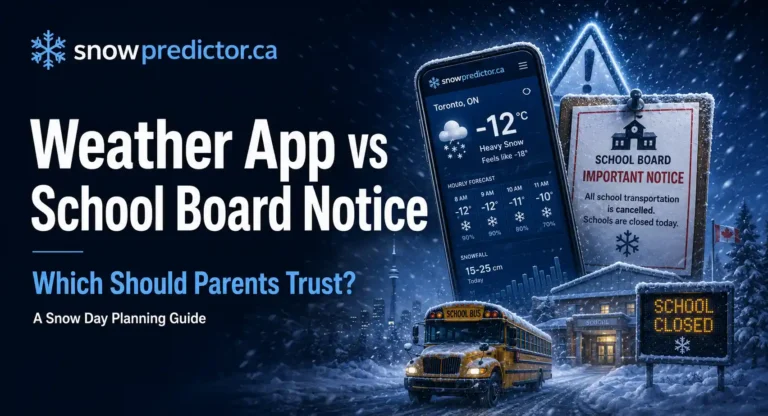
The weather app versus school-board notice guide explains why families should check official alerts and school updates separately.
Toronto and Local Alert Searches
A heat warning Toronto result should be checked against the official forecast region, issue time and duration. Conditions can vary across the Greater Toronto Area, and nearby communities may have different alerts.
Families using local alert searches should confirm that the device selected the correct location. Forecast boundaries do not always match school-board or transportation boundaries.
A local alert may also continue overnight. Limited overnight cooling can increase risk because homes, classrooms and buses begin the next day already warm.
School Bus and Transportation Safety
Heat alerts do not normally cancel buses automatically, but waiting and travelling can still become hazardous. Students at exposed stops may face direct sun, limited shade and delays.
Parents should:
- Check transportation updates
- Keep children in a cooler place until departure
- Provide water
- Use safe shade where available
- Supervise younger children
- Bring a delayed child back indoors rather than leaving them exposed
- Confirm afternoon pickup arrangements
Never leave a child inside a parked vehicle, even briefly. Vehicle interiors can heat rapidly, including on days that do not feel extreme outdoors.
Physical Education, Sports and Field Trips
Strenuous activity increases body heat. Schools and organisers should reduce intensity, add water and cooling breaks, move activities to cooler times or locations, and cancel them when safe conditions cannot be maintained.
Fitness does not guarantee protection. Heat illness can affect trained athletes, particularly during humid conditions or while wearing protective equipment.
Coaches should establish who monitors conditions, where cooling is available and how parents will receive cancellation or pickup notices.
Indoor Heat Can Still Be Dangerous
A school may remain open while some rooms become unsafe. Older buildings may have limited air conditioning and uneven indoor temperatures.
Schools may close blinds, turn off unnecessary equipment, improve airflow, move classes to cooler rooms and increase water access. Conditions become more concerning when overnight temperatures remain high, the building does not cool, power fails or air quality is poor.
Families should follow school-specific messages because one building may manage heat better than another within the same board.
Heat and Air Quality Alerts Together
Extreme heat and poor air quality can occur together during wildfire smoke or urban smog. A heat alert does not replace an air-quality warning.
When both are active, schools must balance cooling, ventilation and outdoor exposure. Students with asthma or respiratory conditions may require additional monitoring and medication access.
Parents should read both notices and follow the child’s health plan. The Canadian weather alerts guide explains how different alert types may overlap.
Building an Extreme Heat School Policy
An extreme heat school policy should define who monitors forecasts, when outdoor activity changes, where students can cool down and how families receive updates.
A practical policy may cover:
- Water access and refill opportunities
- Indoor recess procedures
- Physical-activity limits
- Cooling spaces
- Medical response
- Bus and dismissal delays
- Field-trip decisions
- Staff responsibilities
- Communication with families
Clear procedures improve school heat safety because staff can respond consistently before symptoms appear.
A Five-Minute Morning Checklist
Before children leave, confirm:
- The official alert is current
- The correct location is selected
- The school has not announced operational changes
- Recess, sports and field trips have been checked
- The child has water and suitable clothing
- Medication and health instructions are available
- The bus stop or walking route has shade where possible
- A pickup plan exists if conditions worsen
- Phones and school notifications are working
This routine supports preparation without assuming that every alert will change the school day.
How SnowPredictor.ca Supports Planning
Official alerts explain the health hazard. Public-health authorities provide safety guidance, school boards and principals decide operations, and transportation providers manage buses.
The Canadian school disruption prediction tool can support early planning when weather may affect school routines. Families can compare the estimate with official alerts, school messages and transportation notices while arranging childcare or alternative pickup.
The predictor is not a medical assessment or closure notice. Official instructions always take priority.
Frequently Asked Questions
What Does a Canadian Heat Alert Mean?
It means forecast temperature and, in humid regions, Humidex are expected to reach levels that can affect health. Thresholds vary by region, duration, overnight cooling and local risk. Read the complete official notice for the colour, timing and recommended actions.
Does Extreme Heat Automatically Close Schools?
No. Boards may keep buildings open while changing recess, physical education, sports, field trips, hydration routines or room use. A closure may occur when safe indoor conditions, water, electricity or adequate cooling cannot be maintained.
Can Schools Cancel Outdoor Recess?
Yes. A principal may shorten recess, move it indoors or cancel it when temperature, humidity, sun exposure or playground conditions create a risk. There is no single national recess cutoff for every Canadian school.
What Is the Difference Between Heat Exhaustion and Heat Stroke?
Heat exhaustion may involve heavy sweating, dizziness, nausea, cramps, weakness and thirst. Heat stroke can include confusion, fainting, seizures, loss of coordination or very hot skin and is a medical emergency requiring immediate help.
What Should a Child Take to School During Extreme Heat?
A child should take a labelled refillable water bottle, lightweight clothing where permitted, any required medication and clear health instructions. Families should also confirm shade, transportation, pickup and activity changes before departure.